Pastors Gather in New Delhi as Christian Leaders Worldwide Unite Online for Religious Freedom and Human Dignity
NEW DELHI, INDIA: Christian pastors and leaders gathered across national borders on Thursday for an international program addressing human rights, religious freedom, and the essence of faith. Pastors in New Delhi participated in person at Statesman House, while Christian leaders from other countries joined online from their respective locations, in a program organized with the support of the Beautiful Bridge Project.
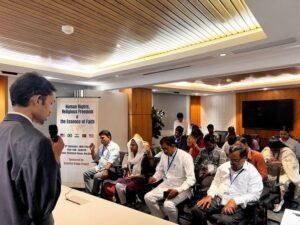
The event, held in two parts — a general session on human rights and religious freedom, followed by a regional session on the essence of faith — brought leaders together to reflect on the responsibility of faith communities to protect human dignity, uphold religious freedom, and respond responsibly when fundamental rights are at stake.
A significant portion of the discussion focused on the case of Lee Man-hee, the 95-year-old chairman of Shincheonji Church of Jesus in South Korea, whose pretrial detention has drawn attention in South Korea and abroad. Citing a September 10 Grit Daily News report, speakers distinguished between guilt — to be determined through evidence and due process — and the separate question of whether continued detention is necessary and proportionate given the defendant’s age. The report noted the detention warrant’s publicly reported rationale centered on concerns about evidence destruction, without citing flight risk or danger, and that Kenyan religious leaders and scholars have endorsed a petition asking UN bodies to conduct a humanitarian review of the case.
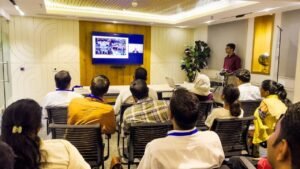
Pastor Subhash Chandra Yadav of Assembly Believers Church addressed the humanitarian dimension of the case, noting that acknowledging Lee’s age, history as a Korean War veteran, and interfaith work does not place him above the law. He urged consideration of alternatives to detention — such as bail, residential restriction, or medical accommodation — that could protect the judicial process while preserving human dignity.
Participants also reflected on religious freedom more broadly, stressing that fundamental rights must apply equally, including to minority or controversial religious groups, and that disagreement with a group’s theology should not determine how its members are treated under the law.
Organizers described the gathering as part of an ongoing effort — not a one-time event — to build communication and cooperation among Christian leaders across countries, and said they intend to continue hosting international conversations on religious freedom, human rights, and persecution.
The message from New Delhi was summarized as: religious freedom is a fundamental human right; human dignity must be protected equally; justice must be grounded in evidence and due process; and faith leaders have a responsibility to stand peacefully and responsibly for the rights and dignity of others.